I’m interested in how humans are shaped by the communal practices in which we participate, particularly communal religious practices. I explore these topics through collaborative interdisciplinary work that brings together perspectives from psychology, theology, philosophy and education.
Parent and toddler groups: Mapping the “mosaic of impact”
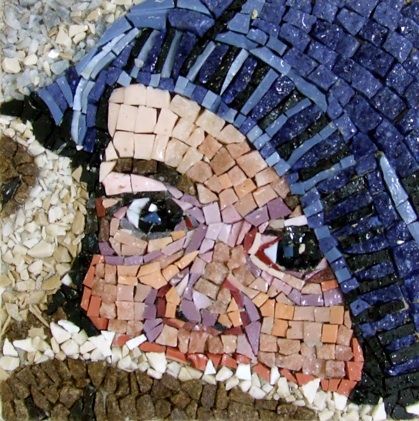
Credit: Michael Kruzich
Church-based parent and toddler groups provide a range of benefits for children, caregivers and communities. But these benefits can be difficult to articulate, because they vary across participants and settings.
Funded by the St Christopher’s Educational Trust, Dr Sarah Holmes and I will explore the “mosaic of impact” of such groups; an image that captures the varied forms of impact (“tiles”) and styles (“arrangements”) of different groups . This will involve surveying a wide range of toddler groups to capture variations in practice, and working collaboratively with children, caregivers, and practitioners to understand the impacts of these groups.
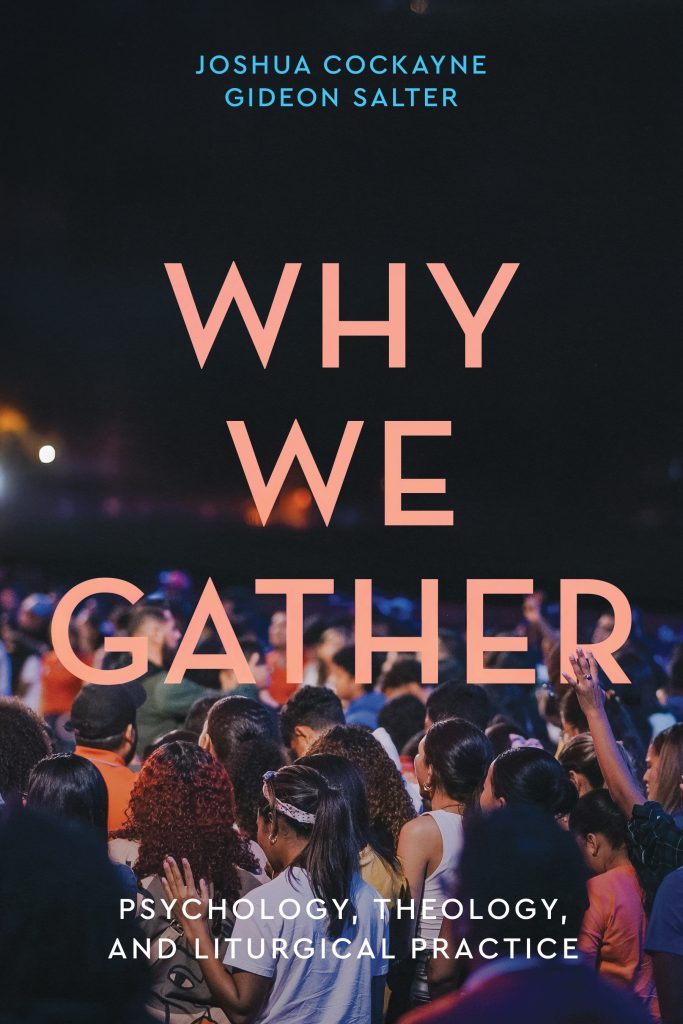
Why We Gather
“Why We Gather” is a conversation between psychological, philosophical and theological perspectives on the role of joint attention in liturgical practices, covering topics such as group memory, group gratitude, and children’s participation in liturgy.
It is the result of a long-term research collaboration between Revd Dr Joshua Cockayne and I, funded by a series of grants from the John Templeton Foundation, including a Science-Engaged Theology Fellowship. You can order here or on other online book stores. We spoke to The Biblical Mind Podcast about the book- listen here.
Parts of the book drew upon our previously published papers (see below).
Published research.
Cockayne, J., & Salter, G. (2023). Group gratitude: A taxonomy. The Journal of Value Inquiry.
“One frequent omission from conceptual work on gratitude is the focus on gratitude in groups, rather than merely individuals… if we are to understand the nature of gratitude it will not suffice to simply understand how individuals might be said to have the virtue of gratitude or to feel emotions of gratitude.”
Link.
Cockayne, J., & Salter, G. (2022). Liturgical Gratitude to God. Religions.
“Gratitude to God is a core component of Christian liturgy… We argue that two aspects of liturgical gratitude distinguish it from gratitude more generally. First, liturgical gratitude is always scripted… Secondly, liturgical gratitude is always social…The paper provides an account of liturgical gratitude that explores these two key distinctive features.”
Link.
Cockayne, J., & Salter, G. (2021). Liturgical Anthropology: A Developmental Perspective. Theologica.
“According to recent accounts of so called ‘liturgical anthropology,’ human beings are ritual creatures shaped more by what they feel than what they think… We seek to expand this vision of liturgical anthropology by offering a critique of a predominantly affective vision of human development.”
Link.
Cockayne, J., & Salter, G. (2021). Feasts of Memory: Collective Remembering, Liturgical Time Travel and the Actualisation of the Past. Modern Theology.
“How does religious liturgy connect participants to each other and to those that went before them thereby creating a living tradition that can span millennia? By drawing together insights from theology, psychology, and the philosophy of mind, we seek to explore the nature of communal remembering in religious rites.”
Link.
Cockayne, J., & Salter, G. (2019). Praying Together: Corporate Prayer and Shared Situations. Zygon 54(3), 702-730.
“In this article, we give much needed attention to the nature and value of corporate prayer by drawing together insights from theology, philosophy, and psychology.”
Link.
All images used are either free-use, or displayed with the consent of those appearing in them, or their caregiver(s).